


Why Wipfli?
Wipfli’s team includes former automotive professionals who bring firsthand experience in your industry challenges and complexities.
We take a data-based approach, applying robust benchmarking data and market intelligence to help you better understand your business’s current state and future potential. And rather than using generic strategies, we work to understand your operations and processes to deliver practical, tailored solutions.
We also know you need more than local insight in today’s global environment. Wipfli pairs strong regional presence and national resources with global capabilities to support domestic activities along with cross-border operations and international growth.
We’re ready to help you transform with end-to-end solutions across the automotive value chain.
Wipfli’s tax team can help you adapt to policy changes and tax law updates as they unfold. We keep you informed while helping you navigate complex tax compliance and credits and incentives so that you can maximize your tax planning.
Focus on growing revenue while we focus on your back-office challenges. Wipfli’s outsourcing for automotive manufacturers provides you with knowledgeable, industry-experienced talent for your finance, HR, IT and operations functions.
Wipfli can help you drive transformation across your operations and people. Our strategy and operations support helps you improve processes for manufacturing efficiency, adopt new tech, manage change, enhance sales processes and create an agile strategy. We also offer leadership development so that you can improve leadership readiness and increase retention and engagement at all levels of your business.
Get comprehensive automotive manufacturing technology services that bring clarity to your complex IT challenges. We can support you at any stage of your digital journey, from building a technology roadmap to implementing enterprise solutions and AI. We can also help you leverage your data with production monitoring and business intelligence while keeping operations secure with comprehensive cybersecurity services.
Wipfli’s transaction advisory team helps you close deals with confidence, offering experienced valuation, due diligence and tax support. Whether you’re buying, selling or exploring transition options, Wipfli can help you maximize the value of your transaction.
Establish a resilient, cost-efficient global footprint. Wipfli can help you seize global opportunities through tailored outbound and cross-border solutions, covering tax strategy, compliance, supply chain services and entity structuring.
Build trust and gain clarity with audit and accounting services that go beyond reporting. Wipfli leverages our industry experience to deliver insights that help you strengthen operations, mitigate risk and make smarter business decisions.
Wipfli’s private client services help automotive business owners and executives protect assets, plan succession and optimize tax strategies for multigenerational wealth. We help you connect business and personal goals with support, including business transition and estate and gift planning.
Protect your production, brand and bottom line with Wipfli’s risk advisory team. We help you stay ahead of regulatory, technology and operational risks with integrated services spanning compliance, enterprise risk management and fraud investigation and litigation support.
Reach out to our team
Let's talk about how our experienced automotive industry advisors can make your business more resilient and profitable. Ask us for help strengthening your performance, claiming tax incentives and navigating tariffs, bolstering your supply chain, managing risk and more.
Insights and resources
ARTICLE
Supply chain risk management: Tariffs, disruptions and more
Supply chain risks are growing. A multitude of complex, interconnected risk factors are driving volatility and putting new pressure on manufacturing CEOs and COOs to adapt in response. Implementing a practical supply chain risk management strategy can help. Keep reading to learn what that looks like and how to get started. What are the top supply chain risks? Supply chain risks are largely shaped by government policy, geopolitical events and international conflict. Key risks include tariffs, the wars in Iran and Ukraine, energy shortages and USMCA ambiguity, as well as raw material pricing volatility — all of which are deeply interrelated. Here are the major supply chain risks explained in more detail: Tariffs: The Trump administration’s tariff policies have added new costs to U.S. imports (current tariff rates add 10-50% to the price of imported goods), with the volatility of the tariffs themselves also presenting a challenge. International conflicts: The Iran war has pushed oil and gas prices up significantly, while the war in Ukraine has affected prices for other commodities like wheat and cooking oil (while also resulting in current and possibly future sanctions on Russian gas and oil). Rising energy demand: The wars are affecting supply, but a growing U.S. demand for energy that’s driven largely by data centers has also pushed energy prices higher. Volatile raw materials pricing: Raw materials prices have continued to climb higher, including crucial materials like metals and resin, with supply chains for molds and dies also heavily disrupted. USMCA ambiguity: We don’t know whether the USMCA negotiations will successfully result in a new iteration of the trade agreement, creating additional uncertainty for manufacturers, especially those with cross-border operations. Driver shortage: New U.S. policies have limited the labor pool in the trucking industry, making it harder to move goods. Ending the wars with Iran and Ukraine may be a tall order for the average manufacturing business to take on. But that doesn’t mean you’re helpless here either. How do you implement a supply chain risk management strategy? Implementing a cohesive supply chain risk management strategy can help your manufacturing business weather the storm of today’s supply chain risks. The key here is to stop worrying about what you can’t control and focus on what you can do: 1. Map your supply chain Mapping your supply chain will help you better understand your specific risks so you can take steps to mitigate them. To do this, identify each of your vendors, evaluate all your different supply chain inputs throughout the entire process from quote to cash, consider how long you’re holding raw materials and finished goods, and note when payments are made. 2. Identify alternative vendors Based on your supply chain mapping, explore whether alternative vendors or geographies could lower costs or reduce volatility. For example, switching vendors to a lower-tariff country could help, as could finding a U.S.-based vendor willing to absorb certain tariff costs on its end. 3. Monitor supply chain pricing Designate someone on your team to monitor supply chain pricing and tariff updates. This can help your business react more quickly to changes , which is especially important in today’s volatile environment. 4. Rework costing and quoting Your expenses have changed, and your costing and quoting needs to reflect that. Rework it all to take today’s supply chain environment into account and price in tariff costs and volatility. 5. Find operational efficiencies Finding operational efficiencies and getting creative with AI can help you offset higher supply chain costs. Automation can be a game-changer here , especially if you use tax incentives like bonus depreciation and qualified production property to lower the barriers to entry. 6. Do scenario planning Planning for supply chain risks helps you better prepare to meet them. Game out different scenarios like tariff hikes or oil price spikes to evaluate what that could mean for your business and how you should respond. 7. Reevaluate customer and vendor contracts As you negotiate new customer and vendor contracts, take rising costs and volatility into account. Prioritize flexibility here: You don’t want to get locked into a long-term contract only to watch your costs spiral due to factors that are out of your hands. Shrinking margins mean the time to act is now In Wipfli’s recent survey of 456 manufacturing executives, those leaders reported that profitability is declining across the board . Today’s volatility has contributed significantly to that margin pressure, which means that acting to mitigate supply chain risks can help relieve it. The time to act is now. Businesses that adapt to today’s challenges will not just get through them but become more flexible and efficient in doing so. However, those who wait too long will only fall further behind the eight-ball — until it may be hard to catch up. Read more 9 top tariff mitigation strategies for manufacturing CFOs AI disruption is coming for manufacturing. How should your firm adapt? R&D tax credits can lower your tax bill. Do you qualify?

ARTICLE
Manufacturing risk management: Key threats and action steps
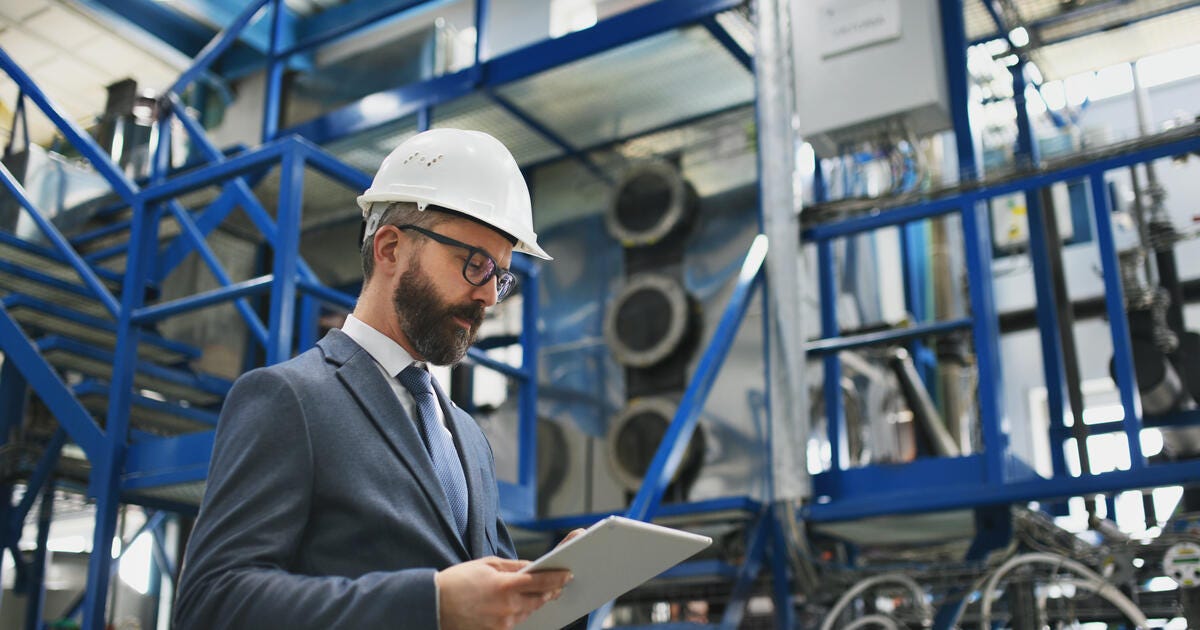
The manufacturing industry is in the midst of a volatile period. Manufacturers must overcome risks like tariffs, supply chain disruptions, international macroeconomic pressures from the wars in Iran and Ukraine, AI growing pains and more — all while protecting profitability. Implementing an effective risk management strategy can help your manufacturing business navigate today’s risks. Keep reading to learn more, plus how to assess and mitigate your own top risks. Why risk management matters for manufacturers Manufacturing businesses are currently operating in a high-VUCA environment. The acronym, which stands for volatility, uncertainty, complexity and ambiguity, describes many of the key pressures manufacturing CFOs and COOs face as they try to maintain smooth operations and combat shrinking margins. Risk management is a way to bring a little stability to that high-VUCA environment. There’s so much you can’t control — tariffs, international trade, wars, government policies — but by focusing on what you can do within your own four walls, you can still manage your risks enough to protect your value and operating income. This often starts with a mindset shift. If you’re willing to let go of your old ways of doing business and embrace changes like new technology or revamped processes, you’ll have taken a big first step towards making your business stronger and more adaptable. What are the major risks facing manufacturers? Manufacturers today face risks like supply chain concentration, workforce shortages and cybersecurity threats. Those risks are compounded by big-picture, geopolitical issues like tariffs and international conflicts, as well as the ongoing rise of AI. Top risks for manufacturers include: Tariff risks: Most U.S. imports are now tariffed at between 10-50% , raising materials costs for many manufacturers while also putting additional cost pressures on consumers. Geopolitical risks: The wars in Iran and Ukraine have strained supply chains and caused price spikes for oil and other essential commodities. Workforce risks: Manufacturing’s perennial labor problem hasn’t gotten any easier, with both worker shortages and high labor costs continuing to pressure businesses. Supply chain risks: Many manufacturers still put too many eggs in one basket, relying on overly concentrated supply chains with respect to both vendors and customers. AI risks: While AI can deliver significant benefits to manufacturers , the technology comes with major risks too , especially in areas like data privacy and shadow AI . Cybersecurity risks: Cybersecurity has increasingly gone from just an IT concern to a significant financial risk , as ransomware attacks or data breaches can lead to financial, operational and reputational harm. Shrinking margins: Rising costs on many fronts are cutting into margins, making it harder for manufacturers to get or stay profitable. Production risks: Depending on industry or process type, manufacturers also face production-specific risks around issues like safety and wasted open capacity. How to assess manufacturing risk Your manufacturing business may deal with many of the industrywide risks covered in this article, but it could also face others more specific to your region or niche within the industry. Conducting a manufacturing risk assessment can help you understand your unique risk environment and develop a strategy to mitigate it. Here’s a practical risk assessment framework for manufacturers (a risk advisory firm can help you work through it): 1. Identify and document risks Identify the risk areas and individual risks that could affect your business. This will likely include industrywide risks like tariffs or cybersecurity. Also consider factors more specific to your business, like a mission-critical employee who’s due to retire or production risks like food or chemical safety. 2. Assess the likelihood and impact of each risk Once you have a list of risks, assess each risk based on likelihood and impact. You can rate each of these factors using a scale of low, medium or high. 3. Prioritize risk based on likelihood and impact Prioritize your risks based on likelihood and impact, as well as your essential business objectives. For example, if supply chain disruptions are both high-likelihood and high-impact, that’s a risk you’ll want to tackle right away, while a low-likelihood, medium-impact risk will likely be much lower on your priorities list. Your C-suite should also discuss risk tolerance. 4. Identify existing controls and gaps Assess the controls, policies and procedures you already have in place to mitigate your high-priority risks. This will also help you identify control gaps that need to be filled, like a lack of AI governance or an ineffective system for tracking tariff costs. 5. Develop risk mitigation strategies Develop a risk management roadmap to tackle your top priority risks. This will typically include establishing new controls or policies to manage risk, as well as training, scenario planning and strategic steps like technology upgrades or inventory management changes. 6. Assign risk owners and accountability To ensure your risk management roadmap actually gets implemented, assign owners to each action step. Creating a system of accountability, like regular reporting at the C-suite or board level, can also help drive follow-through. 7. Monitor and assess risk regularly As you implement your risk management roadmap, continue to regularly monitor your risk environment and periodically reassess. Risks are constantly evolving, so your risk management strategy needs to be, too. How can manufacturers mitigate business risks? Implementing a risk management strategy can help manufacturing CFOs and COOs mitigate their top business risks. Depending on the results of your risk assessment, you may wish to consider strategies like: Work with a risk management advisor An advisory firm that works with manufacturers to manage risk and improve performance can help your business navigate today’s high-VUCA environment. Look to an advisor to conduct your risk assessment and help you implement internal controls, operational changes and strategic shifts to manage your risks. Strengthen supply chain resilience Diversify your supply chain to mitigate tariff and disruption risks. Start by mapping your supply chain and identifying possible alternatives for both sourcing and customers. You may also want to do a reshoring or nearshoring evaluation to determine if either could make sense for your business. Improve operational processes and controls Running your business more efficiently can help protect your margins from surging costs . One idea: Implement production monitoring to get a clearer sense of how your production is performing on a day-to-day basis (you’ll get a dashboard showing red or green status for your machines) so you can establish a baseline to improve on. You can also use AI to make predictive maintenance recommendations to reduce your risk of machine downtime. Strengthen your analytics The more data you have, the better you understand how your business is performing. This applies to not just production line performance but also areas like costs, pricing, inventory and organizational performance — all of which can help you identify inefficiencies and understand how what happens in your plant impacts profitability. Implement strong cybersecurity and AI controls You need effective controls for cybersecurity , data protection and AI. This typically includes establishing technology governance , implementing ongoing cybersecurity training and taking steps to make your business more cyber resilient . Improve financial forecasting and scenario planning CFOs should take advantage of AI’s analytical capabilities to do extensive financial forecasting and evaluate the impact of various scenarios. Forecasting and scenario planning can help you to both understand potential risk areas and decide which to prioritize in your risk roadmap. Regularly reassess risks and update controls and strategies Don’t assume today’s risks are the same as tomorrows. Make risk management an ongoing, living practice that includes periodic reassessments and updates to your controls and strategies. Stop putting off succession planning Succession planning isn’t just about who will own the company 10 years from now. Engaging in a thoughtful succession planning process makes your whole business more stable by ensuring continuity of knowledge after a long-time employee retires, passing sales relationships from one generation to the next and giving employees a path to move up in the business. Don’t ignore valuable tax opportunities Manufacturers can often offset margin pressures using tax incentives. Depending on the circumstances, these may include R&D tax credits , bonus depreciation or qualified production property , state-level incentives and even sunsetting energy efficiency deductions like 179D that could still apply to plant upgrades you’ve already made. Read More Can the qualified production property rule help your manufacturing firm reduce tax payments? Cybersecurity in manufacturing: Strategies to mitigate risk Manufacturing trends: What 456 leaders say about the industry today.
ARTICLE
Pros and cons of robotics in manufacturing
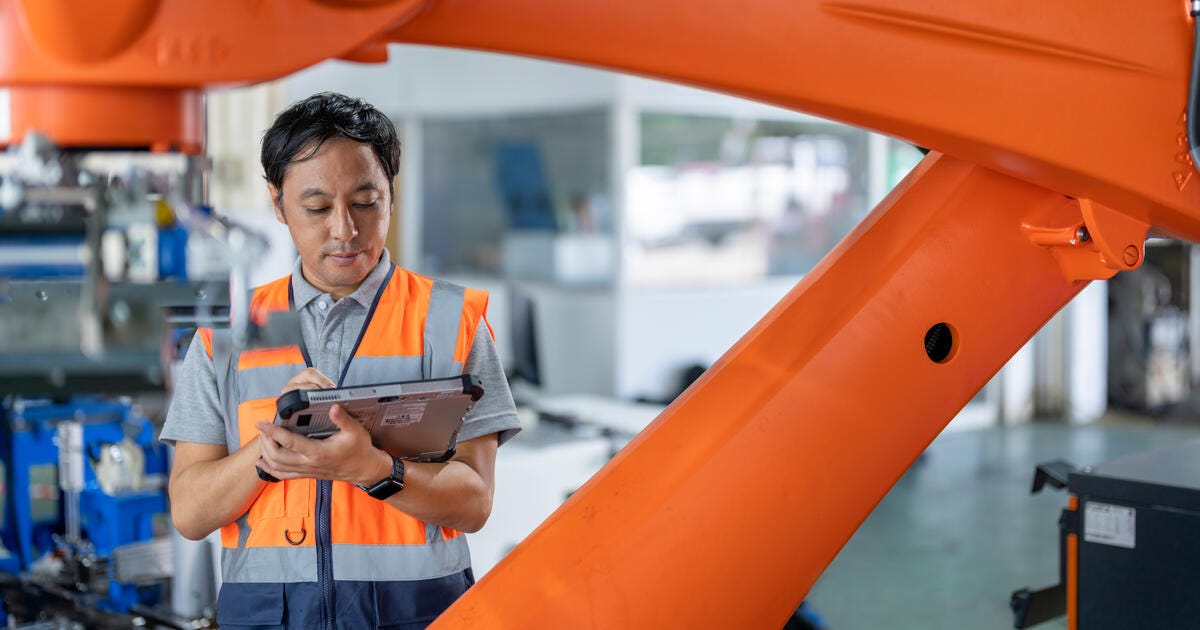
Today’s industrial robots operate across a wide range of industries, from semiconductors and automobiles to plastics processing and metal forging. Pretty much any repetitive operation is a great job for a robot, particularly if it’s dangerous or difficult for people. Manufacturing robots have been used for high-volume processes, but as the technology advances and the cost of industrial robots declines, more options and opportunities are opening for medium- and small-sized operations to leverage robot manufacturing. These robots also help manufacturers address tight labor pools, global market competitiveness and safety. If you’re curious whether robots can enhance your value stream, here are the main pros and cons to consider when it comes to industrial automation and robotics: What are industrial robots? Industrial robots are programmable machines designed to perform manufacturing tasks with precision, speed and repeatability, typically without direct human intervention. Industrial robots are highly flexible and can be reprogrammed to handle a range of tasks across different production lines. They integrate with broader manufacturing systems, including industrial internet of things (IIoT) platforms, vision systems and ERP software, to support data-driven operations. For manufacturers, they represent a practical path to improving throughput, quality and workforce safety across the value stream. According to the International Federation of Robotics, the global stock of operational industrial robots reached a record 3.9 million units in 2022 . That figure continues to grow as manufacturers of all sizes look to automation to sustain throughput and reduce dependence on constrained labor markets. Advantages of industrial robots Here are some of the advantages manufacturers often experience when they add industrial robots to their production floor: 1. Better quality control and consistency Along with other tech — such as the IIoT, artificial intelligence, data analytics or 3D printing robots — industrial robots are able to provide better production quality and more precise and reliable processes. Added benefits also include reduced cycle times and real-time monitoring to improve preventive maintenance practices. 2. Maximum productivity and throughput An industrial robot increases speed for manufacturing processes, in part by operating 24/7. Robots don’t need breaks or shift changes. The speed and dependability of robots ultimately reduce cycle time and maximize throughput. Robotic factory automation and manufacturing with robotics enables high efficiency. 3. Greater safety Using robots for repetitive tasks reduces the risk of injury for workers, especially when manufacturing must take place under hostile conditions. In addition, supervisors can oversee the process online or via remote monitoring. 4. Reduced direct labor costs The cost of having a person handle many manufacturing operations is often more expensive than a robot. This can also free up workers so their skills and knowledge can be used in other business areas, such as engineering, programming and maintenance of the robotics used in manufacturing. 5. Keeping manufacturing in the U.S. Some argue that robots are taking jobs away from U.S. workers, but that’s not necessarily the case. Industrial robots are typically integrated into a series of operations that require human expertise. For example, you could have a robot welding parts that are handed off to a person to perform a task that requires a human’s intuitive “if, then” thinking. The future of robotics in manufacturing involves humans and robots working together in factories. Disadvantages of industrial robots Industrial robots are not without tradeoffs. Before moving forward with automation, it’s important to plan accordingly for these potential challenges: 1. High initial investment Robots typically require a large upfront investment. As you research your business case for purchasing, consider all the costs of industrial robots, including installation and configuration. You should also evaluate whether your robot can be easily modified if you need to alter its operation in the future. Robotics for manufacturing is a significant investment. 2. Expertise can be scarce Industrial robots need sophisticated operation, maintenance and programming from controls engineers. While the number of people with these skills is growing, it’s currently limited. As a result, it’s important to consider the personnel investment you’ll need to make to bring in that expertise or “retool” your existing staff to take on the task of working with robots in industrial automation. 3. Ongoing costs While industrial robots may reduce some manufacturing labor costs, they do come with their own ongoing expenses, such as maintenance. In addition, you’ll want to consider the costs to keep your robot and any related IIoT-connected devices protected from cyberthreats. Industrial robots vs collaborative robots Industrial robots and collaborative robots (aka cobots) serve different purposes on the manufacturing floor, and understanding the distinction is critical before making an investment decision. Traditional industrial robots are built for speed, precision and high payload. They typically operate behind safety barriers or in fully fenced cells, isolated from human workers during operation. This makes them well-suited for high-volume, high-speed applications such as welding, stamping, or painting, and for environments where throughput is the priority and task variation is low. The tradeoff is complexity. Programming, integration and safety infrastructure require significant upfront planning and controls engineering support. On the other hand, collaborative robots are designed to work alongside people in shared spaces without physical barriers. They use sensors and force-limiting technology to detect and respond to human presence, making them a practical option for operations that require frequent task changes, limited floor space or tighter labor integration. Cobots generally carry lower payloads and operate at slower speeds than traditional industrial robots, but they can be deployed and reprogrammed more quickly, which is advantageous for mid-size manufacturers managing product variety or shorter production runs. Manufacturers need to match the right technology to the right application. A single facility might use traditional robots for high-speed assembly and cobots for inspection, packaging or tasks that benefit from human-robot collaboration. Evaluating your production environment, workforce structure and growth trajectory is the starting point for making that determination. Feature Industrial robots Collaborative robots (cobots) Operating environment Isolated, behind safety barriers Shared space with human workers Speed High Moderate Payload capacity High (up to several hundred kg) Lower (typically under 35 kg) Programming complexity Higher — requires controls engineering Lower — often teach-pendant or app-based Upfront cost Higher Lower Deployment time Longer Faster Best for High-volume, repetitive, high-speed tasks Flexible, variable or human-adjacent tasks Safety infrastructure Required (caging, fencing) Built-in sensors; no caging required Reprogramming flexibility Moderate High Ideal operation size Large-scale production lines Small to mid-size operations or flexible lines Read more Best practices for inventory optimization in manufacturing and distribution Improving profitability and margins in manufacturing 9 tariff mitigation strategies for U.S. manufacturers

LET'S CONNECT
Discover how Wipfli can help you overcome barriers to profitability and build smarter, leaner operations.